Traditional Advertising: Still Relevant, but No Longer Leading
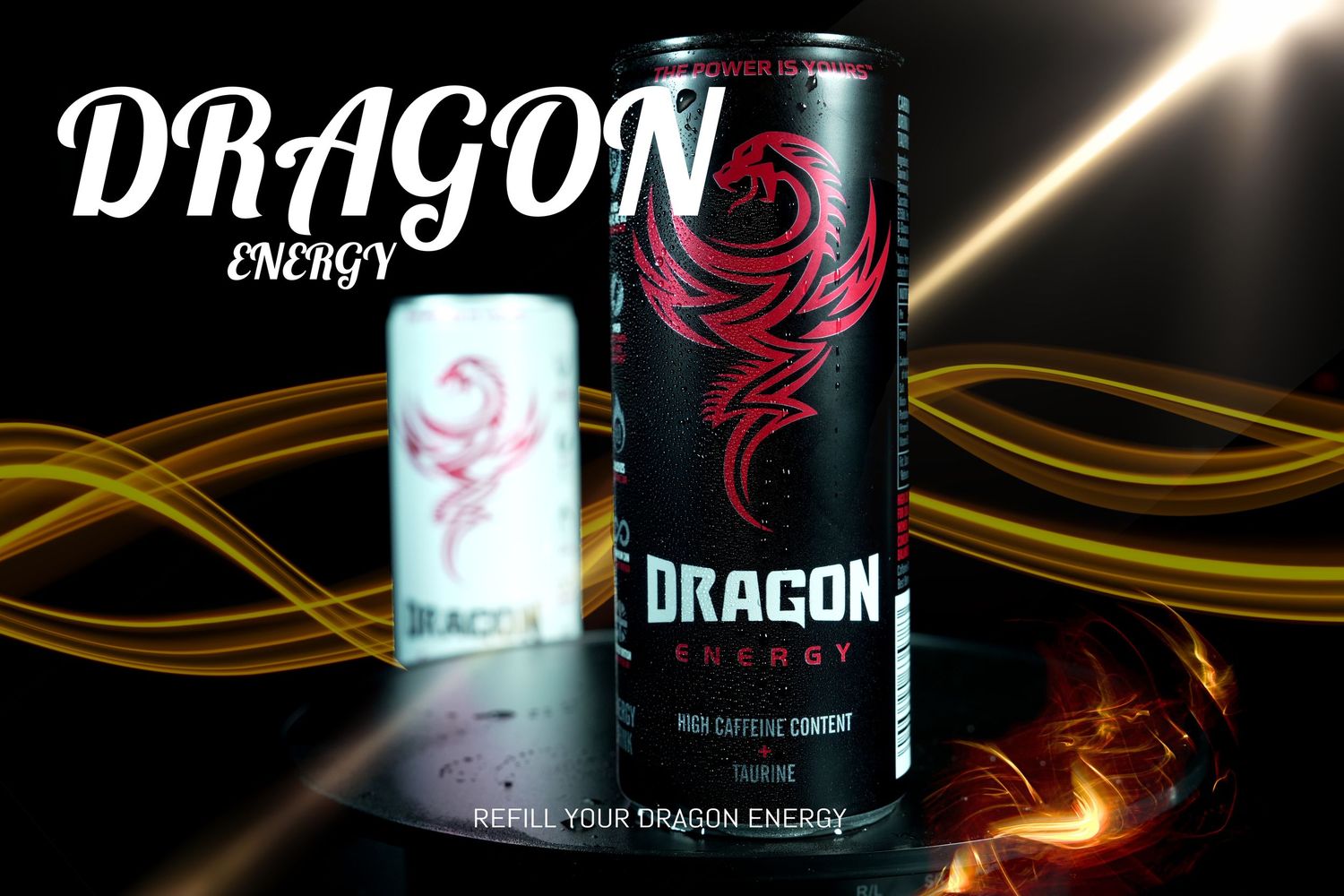
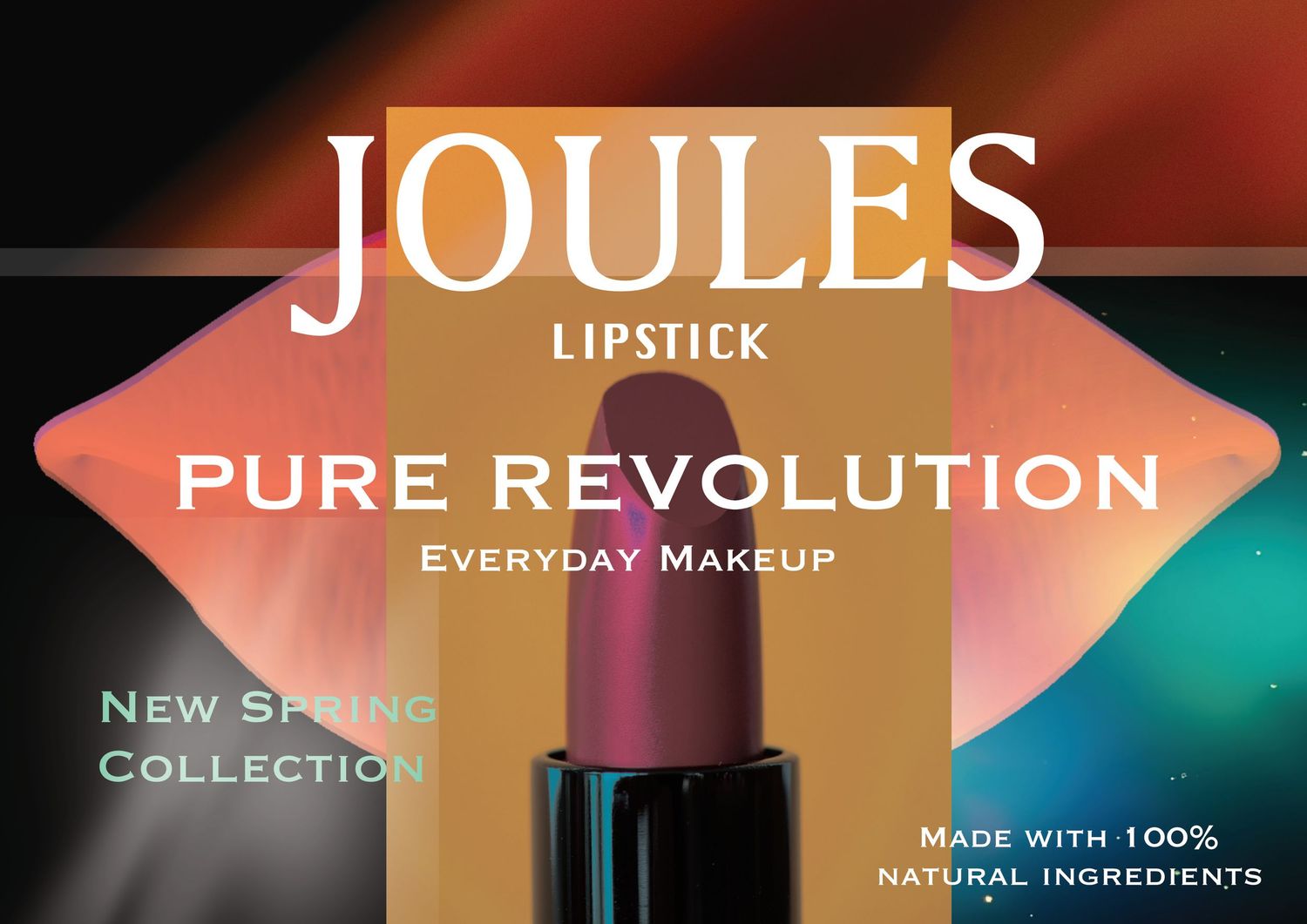
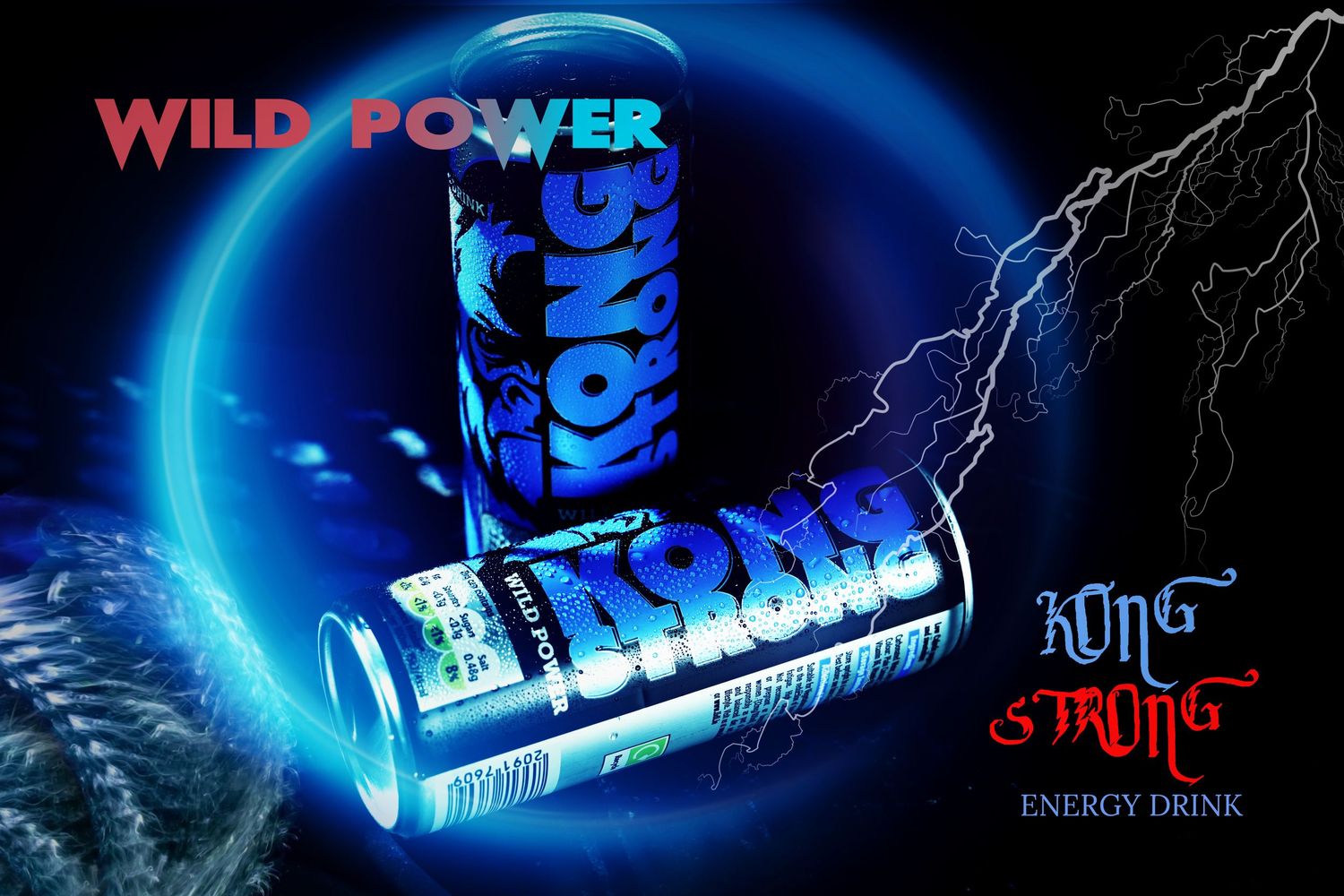
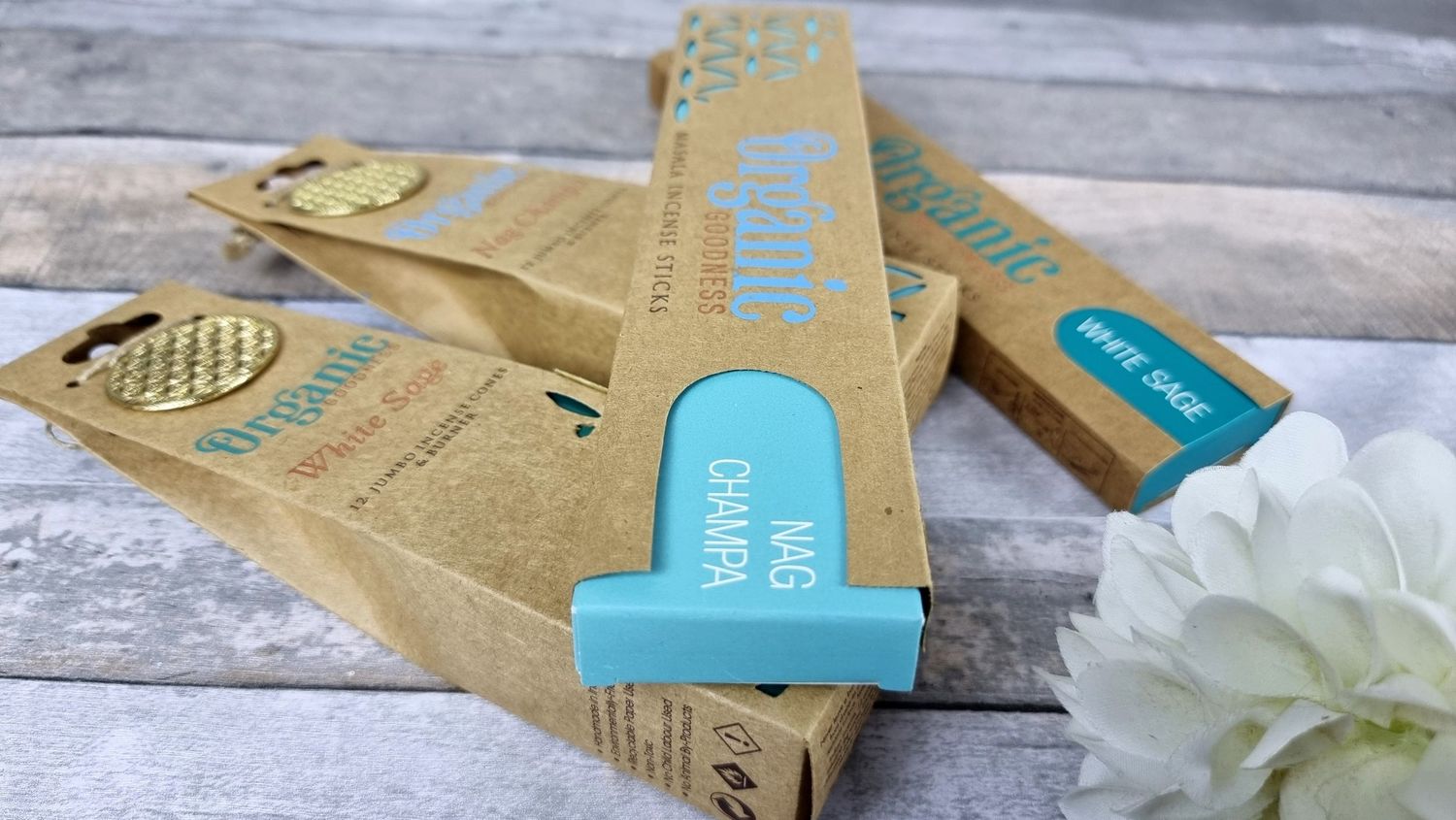
For decades, traditional advertising — including print ads, billboards, posters, and magazine features — defined how brands showcased their products and food. These formats relied on carefully styled, high-quality imagery designed for static placements and long-term campaigns.
While traditional advertising still plays a role in brand credibility and large-scale visibility, it comes with limitations. High production and placement costs, fixed formats, and limited audience interaction make it harder for brands to adapt quickly or measure real engagement. For food and product businesses operating in fast-moving markets, this approach can feel slow and inflexible.
Traditional advertising is no longer about reach alone — it’s about whether the message is seen, remembered, and acted upon.
The Rise of Social Media Advertising
Social media has transformed how brands communicate visually. Platforms like Instagram, TikTok, Facebook, Pinterest, and YouTube have shifted advertising from polished, one-off visuals to consistent, engaging, and story-driven content.
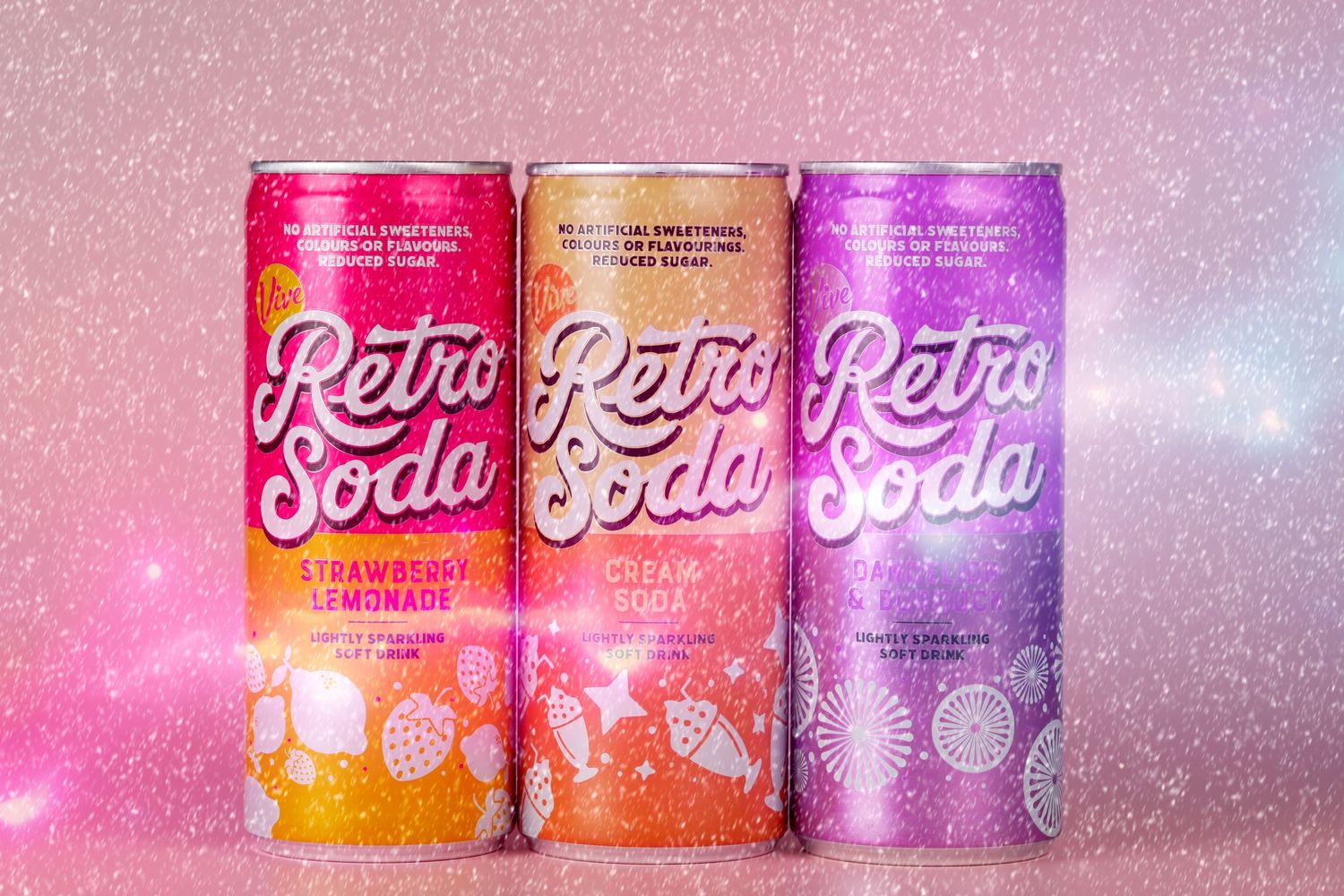
For food and product brands, this change is especially powerful. Audiences now expect to see products in use, behind-the-scenes moments, close-up textures, motion, and lifestyle context. Short-form video, reels, and scroll-stopping imagery often outperform traditional ads because they feel immediate, relatable, and authentic.
Unlike conventional advertising, social media allows brands to test, adapt, and evolve content quickly — responding to trends, seasons, and audience behaviour in real time.
Reach, Engagement, and Measurable Results
One of the biggest differences between traditional and social media advertising is measurability. Social platforms provide direct insights into reach, engagement, saves, shares, and conversions. Brands can clearly see which visuals perform best and adjust future content accordingly.
Food and product photography designed for social media is no longer just about aesthetics — it’s about performance. Well-crafted visuals can increase click-through rates, improve brand recall, and directly influence purchasing decisions across websites, delivery apps, and online stores.
Traditional advertising builds presence. Social media builds interaction.
Changing Visual Trends in Food & Product Photography
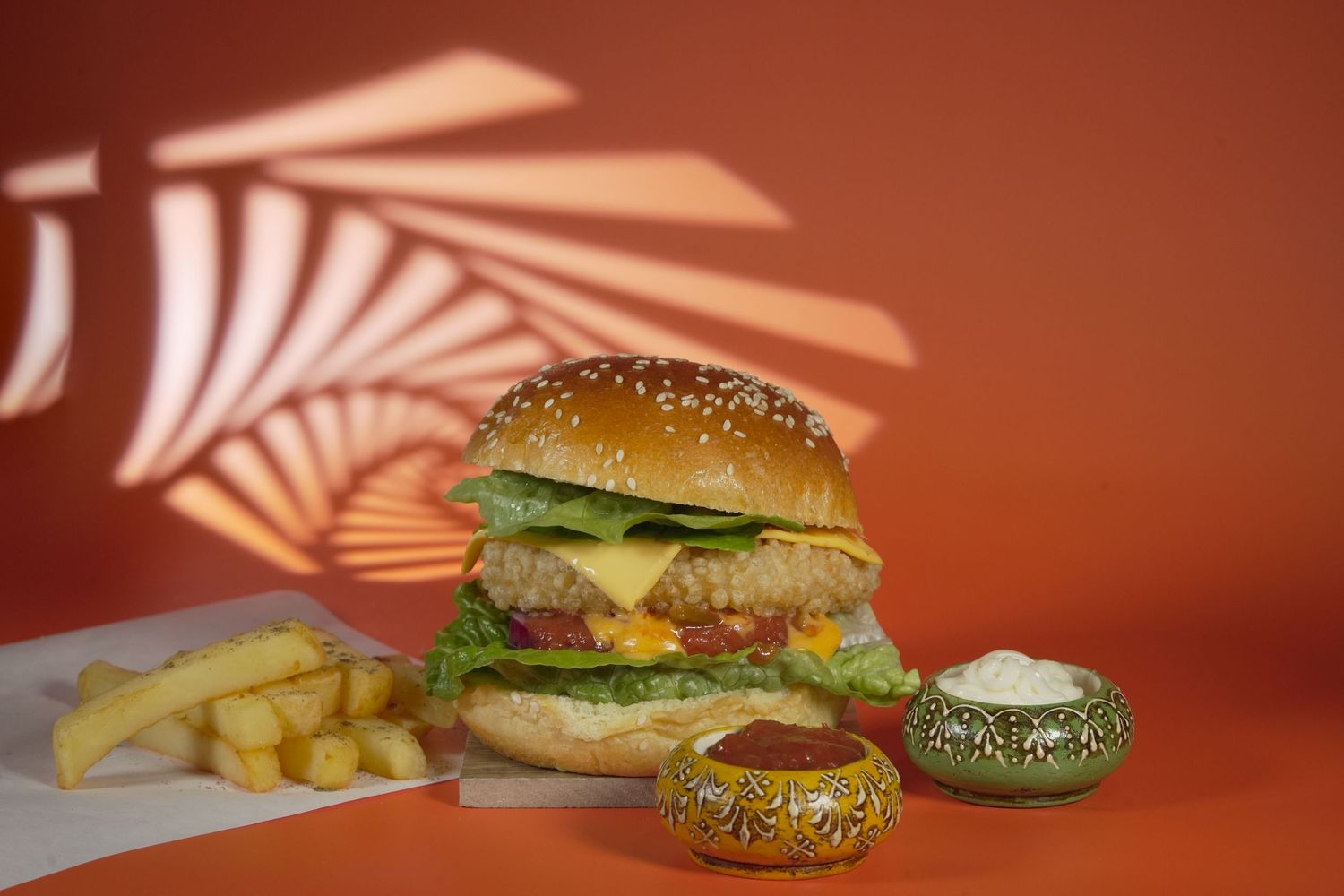
Visual trends have also evolved alongside social platforms. Clean but natural lighting, real textures, motion-based content, and lifestyle-driven imagery now dominate feeds. Consumers respond more to content that feels genuine rather than overly staged.
This doesn’t mean quality has dropped — it means quality has adapted. Brands now require photography and videography that works across multiple formats: square, vertical, short-form video, stills, and ads — often from the same shoot.
Modern commercial photography must be flexible, scalable, and designed with digital platforms in mind.
Why Brands Are Shifting Focus to Social-First Content
Social media advertising allows brands to:
Reach targeted audiences efficiently
Build ongoing relationships with customers
Showcase products in real-world scenarios
Repurpose content across platforms and campaigns
Adapt visuals quickly without large-scale re-shoots
For food and product businesses, this approach creates better long-term value. Instead of investing heavily in one static campaign, brands can build a content library that supports marketing throughout the year.
Choosing the Right Approach for Your Brand
The question is no longer whether traditional or social media advertising is better — it’s about where your audience spends their time and how they engage with content.
For most modern brands, especially in food and product industries, social media has become the primary touchpoint. Traditional advertising can support brand awareness, but social-first visuals drive interaction, recognition, and growth.
At Loom & Lens, we design food and product photography and videography specifically for today’s advertising landscape — creating visuals that work across social media, digital campaigns, websites, and print when needed. Our focus is on producing content that not only looks strong but performs where it matters most.
Thinking about upgrading your product or food visuals?
Get in touch with Loom & Lens to create social-first content designed for advertising, digital platforms, and modern brand growth.